More To That: Selfish building 🔧
|
Hey friends, Enrollment for the first cohort of More To Build closes in just 5 days! Despite my lack of marketing (as I'm laser-focused on building the curriculum), the cohort is almost full and only a few seats remain. So far we have physicians, coaches, essayists, financial advisors, YouTubers, marketers, and more. This makes for an awesome group of people so far, and I'm excited to get this thing started.
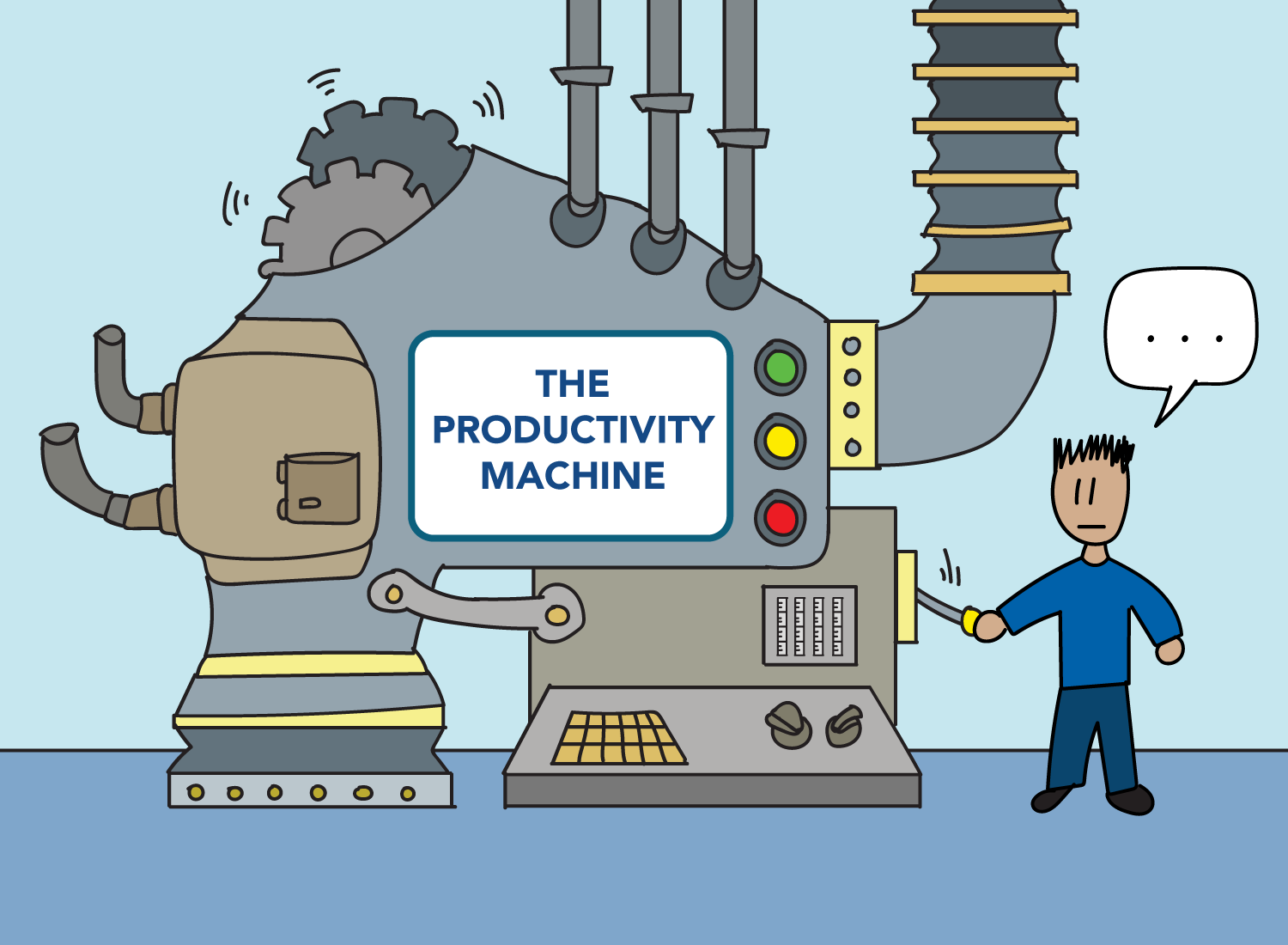
All right! Now onto today's reflection. Lately I've been separating my day into 2 main halves: writing and building. As a result, I've realized just how much they complement each other, and how the best outcomes arise when you do them purely for yourself. That statement will take some unpacking, so when you're ready, let's dive right in. Simplicity is the centerpiece of a creative life. Whenever things get complex, the clarity required to produce something wonderful diminishes. This is why I've never been a fan of productivity systems that promise to liberate you from the constraints of time. If anything, I've found that they add complexity to the creative process and places a greater burden on the very time it promises to free.
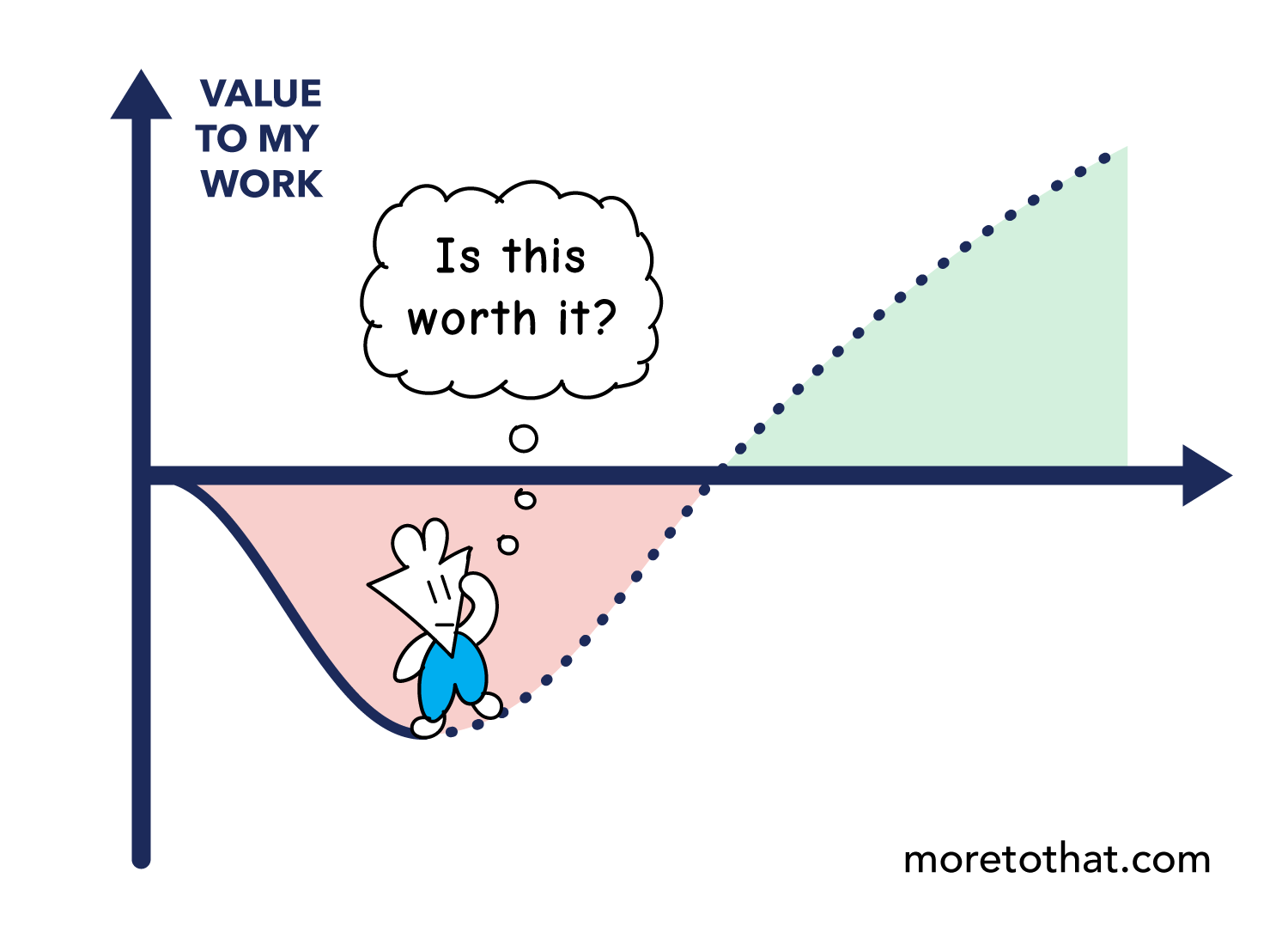
I felt this when I tried to build an elaborate note-taking system in Notion to keep my knowledge organized. I was summarizing my notes and color-coding them so they could be easily referenced, but at some point, I realized that I was spending more time organizing my notes than actually creating with them. This experience taught me to approach new tools with greater discernment. Any tool you introduce to your life comes with an upfront cost to your attention, and you have to decide whether that initial investment is worth the promised upside.
So when I first started dabbling with AI, I was skeptical. Was this yet another tool that promised me productivity gains while taking me away from the work I felt called to do? What could AI possibly offer me as a writer when I knew that I wanted to write the words myself? And so, when AI was in its "prompt engineering" phase and ChatGPT was dominating the scene, I didn't use it much at all. It felt like yet another distraction that promised to elevate your work but in fact just took you away from it. So I continued to direct my focus toward writing my book and building out my body of work on More To That.
But things changed when I started playing around with Claude Code in early January of this year. Although I was hesitant to become an AI enthusiast, it was glaringly obvious that with this tool, things were different. And that difference could be distilled into this single statement: This tool actually makes you more creative because it enables you to build. When I was using Notion to organize my notes, I never felt like I was building something substantive. It felt like I was spending my time learning their system, their way of doing things and trying to fit my brain into their preset mold. But with Claude Code, I was leveraging that tool to build the things that represented my tastes and my personal style. I didn't have to consider anyone else's preferences but my own. This reminds me of the way that author Morgan Housel describes his creative process, which he refers to as "selfish writing." What he's essentially saying is that in the end, he writes for an audience of one: himself. Instead of letting other people dictate the way he shapes his words and arguments, he wants to do it in a way that's enjoyable and tailored to his own unique preferences. I think a similar sentiment can apply to what AI has done in the realm of toolmaking, which I'll refer to as "selfish building." Everything you make only has to serve a market of one: yourself. Instead of thinking about what the market may want for a digital tool, you just need to consider the problems it can solve purely in the context of your own life. A good example I can bring up here is my wife.
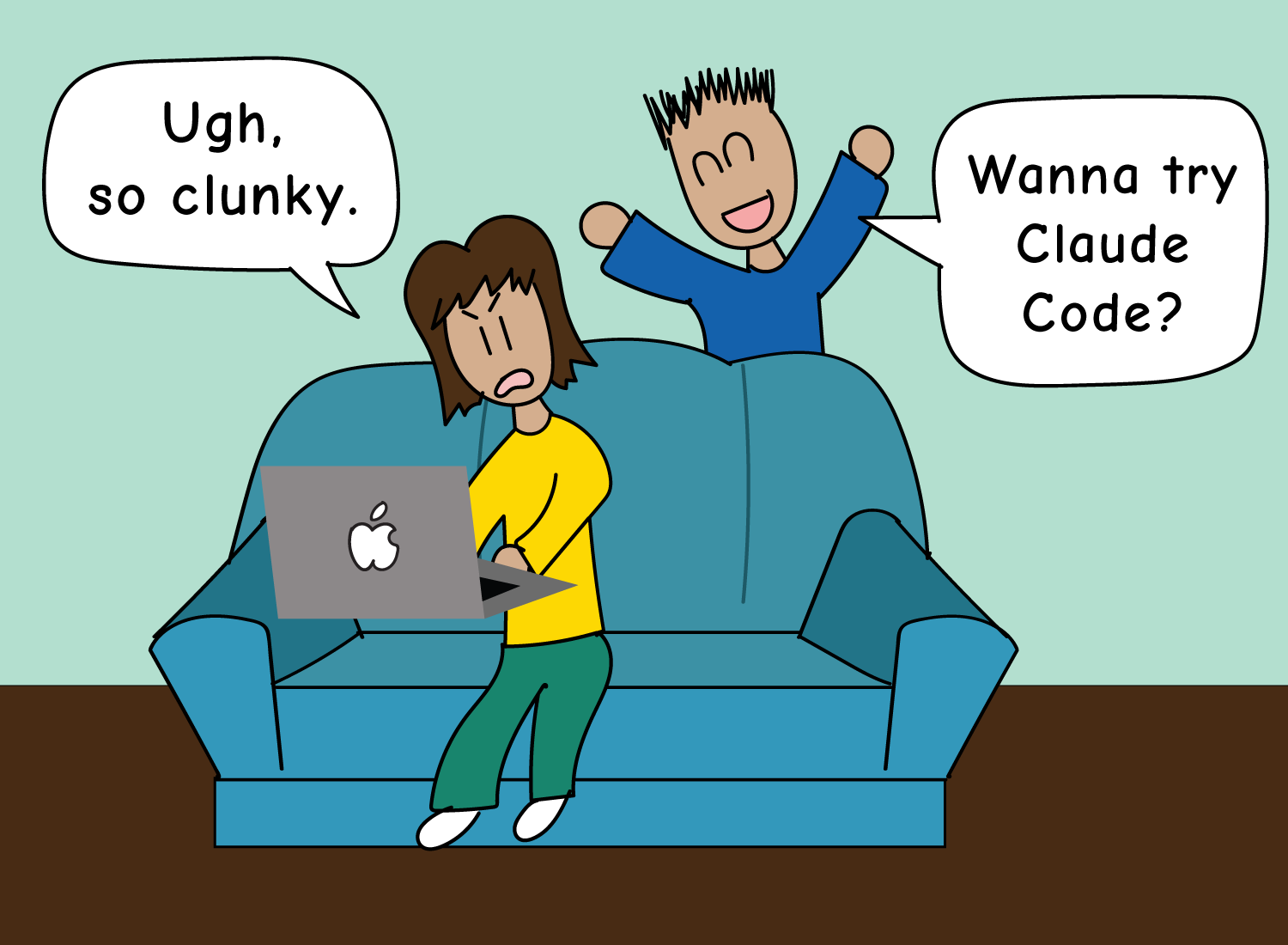
She is a self-proclaimed "techno-grandma," meaning that technology is one of her… less developed skill sets. She prefers hosting in-person gatherings over Zoom calls, creating art with her hands over making content online, and so forth. So when I showed her Claude Code back in January, she didn't really care too much for it. It felt like yet another digital tool that would distract her from the analog world she wanted to pour her attention into. But a few months later, she had a problem that she needed help with. She was starting a series of in-person events that centered around drinking tea and making art. She wanted a website that would show off the physical space, host testimonials from patrons, and also take bookings. She first tried Squarespace, but would gripe about how clunky the whole thing was. So in that moment of opportunity, I slid in with a suggestion:
Initially she was hesitant, but I encouraged her to just tell Claude what she wanted in an ideal website. No fancy web design terminology; just plain English. In a matter of moments, she watched an initial version of her website come to life, and she was stunned. While there was still more work to be done, the first thing it provided was light years better than anything Squarespace could produce. And because she was the architect, she could tell Claude how she wanted to edit and build out the site (instead of relying on a clunky admin panel that most sites come with). Fast forward to today, and she's built a full web app that can send out email campaigns, send out reminders, take bookings, showcase videos / pictures, all within a single website. Not only that, she's also built games for our daughter to learn Korean and Cantonese, which have been crafted according to her design aesthetic as well: She went from being a "techno-grandma" to being a software engineer, web designer, and a game creator in a matter of weeks. And it all started because she had a personal problem that needed to be solved. At its core, creativity is our way of solving challenges that matter to us. If the problem you're facing has no meaning, then no solution you come up with will feel creative. But if that problem is one that excites you (or frees up your time to do exciting things), then your approach to solving it will feel like a creative act. People often point to AI as a source of existential dread, but I think of it as an opportunity for us to ask ourselves how it can amplify our creativity. There will never be a shortage of problems for us to face, so there will always be a vast opportunity for tools to help us. But up until now, we had to rely on others to build those tools for us, and what they created was ultimately a facsimile of what the market desired. A person's individual preferences mattered far less than what a massive group of paying customers wanted. In the era of selfish building, however, the total addressable market only needs to be you. It doesn't matter what other people think of it or whether it's useful for them; all that matters is that helps you solve the "you-shaped problems" in your life. In the same way that writers feel most creative when they write for themselves, the same could be said for builders who build for themselves. Because in the end, that sense of agency is what leads to a new creative identity that was once veiled from view. That's it for today's reflection. Was there anything that resonated? Anything that didn't? Feel free to hit reply and let me know. And if you want to build tools that are specific to your needs, then I'd love to have you in More To Build. We're in the final stretch of enrollment, and once the first cohort fills up, I'll be closing the doors.
In the meantime, feel free to let me know if you have any questions. Hope to see you inside! -Lawrence Yeo |

More To That
Illustrated stories on the human condition.
Hey friends, Today’s my birthday, and I turn 41. In some ways, I’ve seen a lot, but at the same time, I haven’t seen much at all. The truth tends to live in paradox, which is why I feel like I’m right where I’m supposed to be. I want to share a reflection today on the art of teaching, but first, an exciting announcement. I recently opened up enrollment for my new live course, More To Build. It’s a 3-week program where you’ll build a fully operating AI Studio by the end of it. You’ll have: An...
Hey friends, I recently announced my new 3-week course, More To Build, where you'll set up an AI Studio that understands your priorities, knows your voice, and protects your time. The response has been strong: 400 people have joined the waitlist, and many of you have personally reached out indicating interest. The dates for the beta cohort have been set for 3 weeks in November (see the schedule here), and the pricing will be the same as my storytelling course (see the enrollment tiers here)....
Hey friends, It's been 5 months since I've sent out a newsletter, which is the longest stretch in recent memory. Thanks to those who have reached out asking if everything was all right; I'm grateful to know that I have your support =). There are 3 reasons I've been away: (1) I've been working on my biggest writing project to date, which I will announce in due time, (2) I've been doing behind-the-scenes work on the business side of More To That, and (3) I've been investing a lot of time using...