More To That: The foundation and the frontier 💫
|
Hey friends, It's been 5 months since I've sent out a newsletter, which is the longest stretch in recent memory. Thanks to those who have reached out asking if everything was all right; I'm grateful to know that I have your support =). There are 3 reasons I've been away: (1) I've been working on my biggest writing project to date, which I will announce in due time, (2) I've been doing behind-the-scenes work on the business side of More To That, and (3) I've been investing a lot of time using and understanding AI. I'll eventually touch on #1 and #2, but for today, I want to do a deep dive into Reason #3. One thing I've discovered in the past few months is that AI - when used with intention - can make us dramatically more creative. Not just in terms of what we can build with it, but how it protects the time we have to do what makes us most human. As a result, I am starting my own AI program called More To Build, which will kick off with a live 3-week cohort. You can join the waitlist by clicking here, or you can view the landing page here. I would never have been able to build a landing page like that on my own, but thanks to Claude Code, I now can.
Today's post is going to outline my philosophy on AI: my initial hesitancy toward it, what led to my breakthrough, and what it means to adopt it without becoming an anxious wreck. Let's dive right in. The Foundation and the Frontier *Note: You can read this post on the website here. Ever since I was little, I loved pondering the timeless questions of life.
Philosophy, psychology, and creativity were my guiding lights, and in 2018, I started sharing my thoughts on these timeless questions in the form of this blog and newsletter. But at the same time, I’ve always had a deep interest in the timely matters of life as well. Technology, finance, and culture are the forces I pay attention to in that regard, and what I've realized is that they descend from the timeless foundation of human nature. So if I understand the human condition, then I can better understand everything that's happening in the current moment too. Despite my fascination with both the timeless and the timely, I've primarily written about the former. I have a tendency to favor ideas that will remain forever relevant, and I've imported that preference into the way in which I publish my own.
However, there's been a shift in my perspective on this, and perhaps explaining that shift may help you reconsider your own too. The first consideration is that technology is shaping culture in ways that we can't quite comprehend. In a way, technology has always shaped culture, from the plow leading to civilization and the internet accelerating globalization. But AI has added a whole other layer to the mix. For the longest time, the barrier to actualizing an idea was execution. For example, you could have a brilliant idea for an app, but if you didn't have any technical expertise to build it, your amazing idea would be worthless. AI has shifted this paradigm by democratizing the means to execution. Tools like Claude Code and Codex allow you to simply speak your idea into existence, and quite literally so. You can download a speech-to-text app, say a couple sentences that describe what you want to build, and then watch an agent create a decent version of the vision you just articulated. Of course, going from decent to great will take work, but that will largely be an exercise in giving your agent the right instructions to do so. In other words, the way you communicate an idea is far more important than your ability to execute it. Everyone now has access to the latter for just $20 a month.
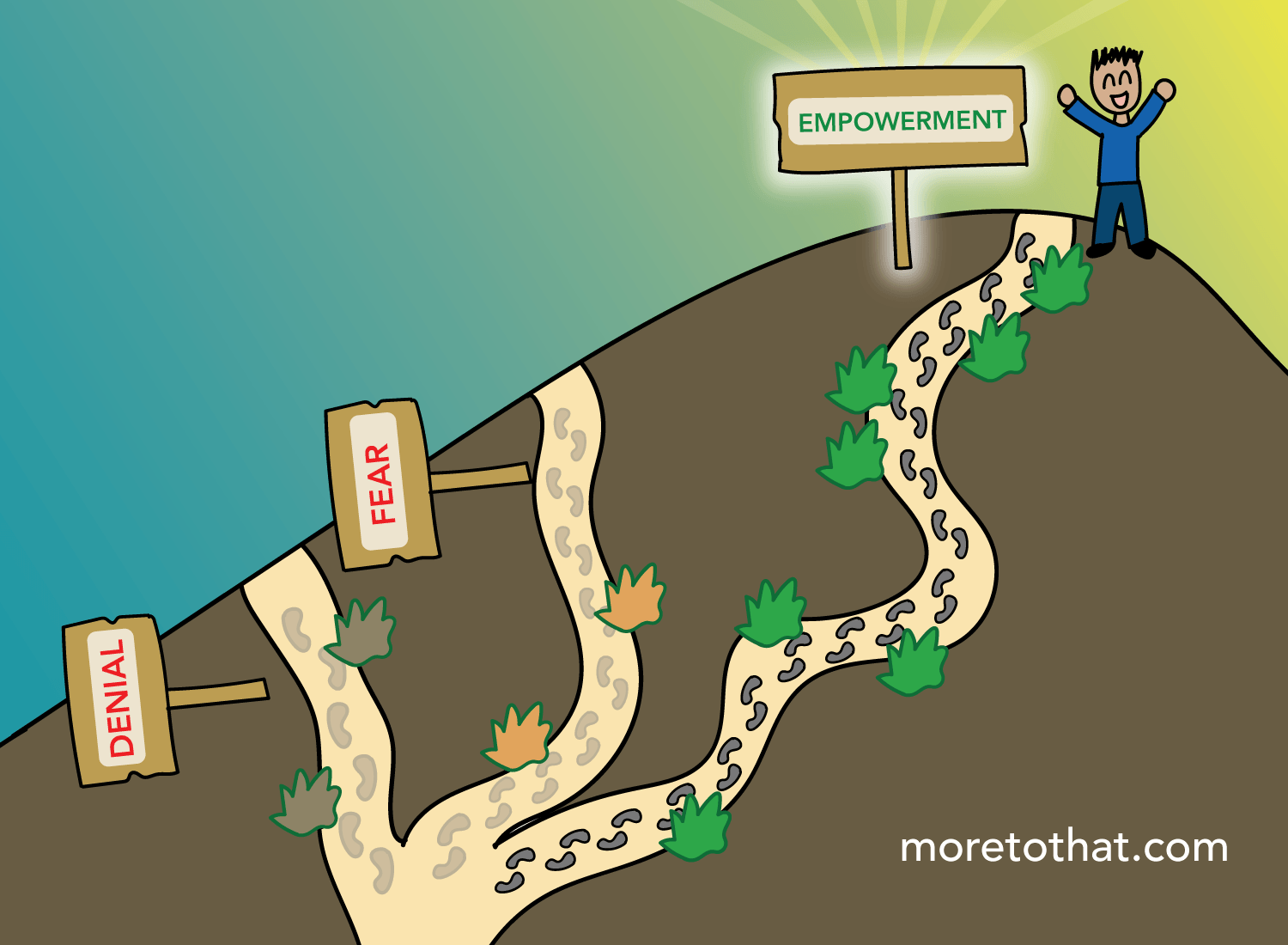
Everyone is effectively a builder now, which means that if your career moat was "I know how to build things", that is no longer a viable moat. In the same way that the internet has eliminated the gatekeepers to publishing content, AI has eliminated the gatekeepers to building products. Now, when the floodgates are open like this, what paths tend to emerge? The first path is one of denial. In the same way that newspaper and magazine editors scoffed at the rise of the internet, there are "entrenched individuals" that refuse to acknowledge that AI will result in profound changes across the information landscape. Either they don't see it or choose not to; either option will lead to surprising outcomes for them. The second path is one of fear. This happens once denial can no longer be insulated from the freight train of reality. People "see the light" but become terrified of their potential irrelevance, which makes them push harder than ever to capitalize on recent developments. The familiar horsemen of burnout and anxiety await those who operate according to the urgency of existential dread, and we are seeing this play out on an alarming scale. The third path is one of empowerment. These people are excited at the prospect of using these tools to broaden their horizon of what's possible. They'll see that the constraints of executing an idea have been lifted, and that they can now build something by merely articulating their vision. This redefines what it means to be "creative," and that truth is a source of deep excitement. Like many others, I had to venture through the first two paths to eventually arrive at the third.
I've spent the last few months wandering the wilderness of these 3 paths, wondering what it means to be a writer and creator in this changing landscape. There was the initial denial that AI could ever write great stories, which converted into a fear that perhaps it actually could. But what eventually led to empowerment was the realization that I had it all wrong. Instead of worrying about AI encroaching upon what I do well, its power is in enhancing the things that I do poorly. I love writing (and think I'm pretty decent at it), but I can't say the same about building content systems. So what if AI helps me build the content system I've always wanted to support the craft I love? Chances are, you find yourself in this position too. There's something that you already love doing, and things you don't that will (paradoxically) help you achieve the thing you love. A good example of this is a "writing-based business". You love writing and want to do it all the time. To do this, you'll have to build a business around it, which isn't as fun but is the engine that'll allow you to keep going. So then I asked myself how I could use AI to help me build that engine, and then decided to act upon it.
Within a matter of days, I used Claude Code to build the following:
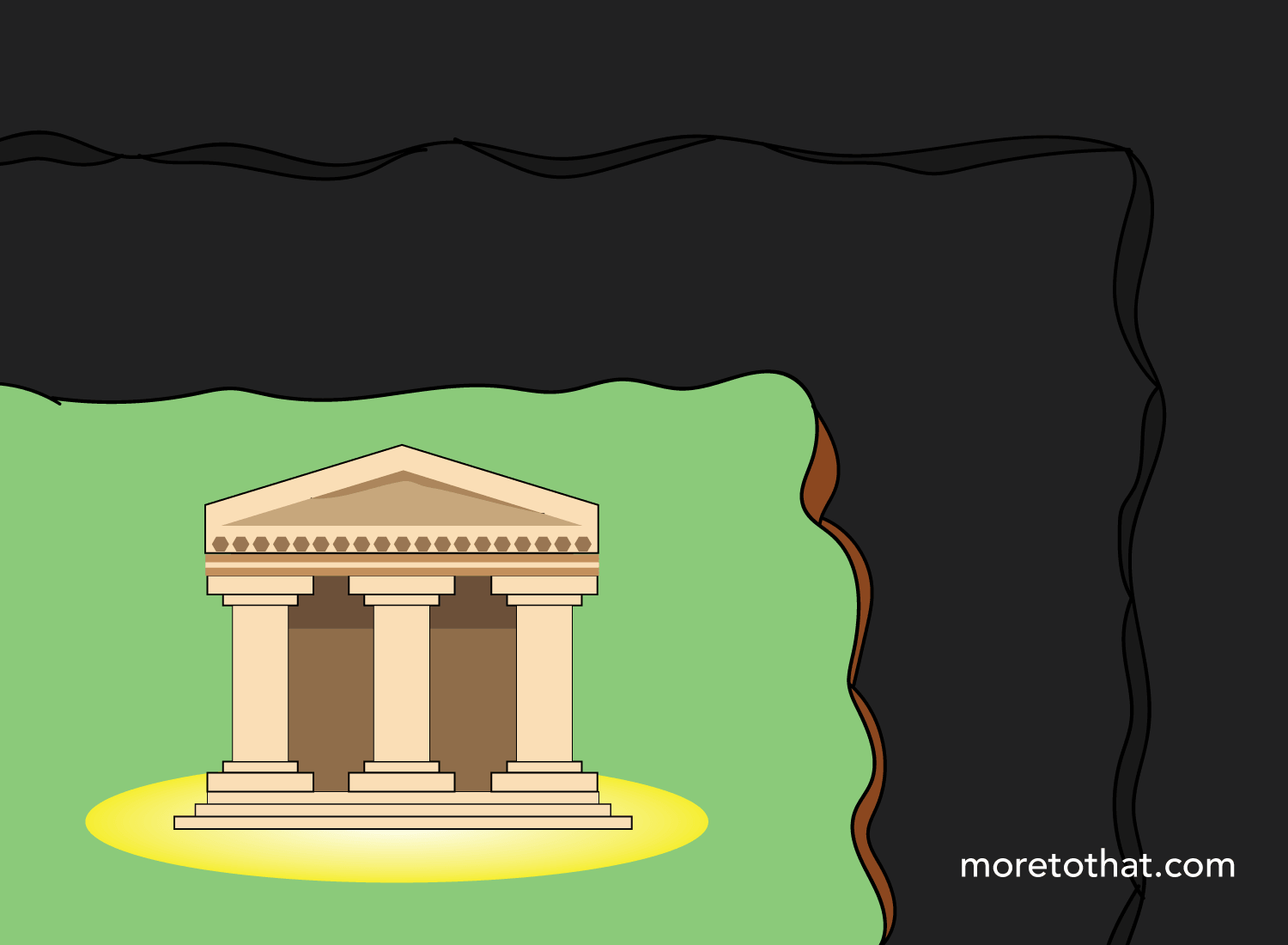
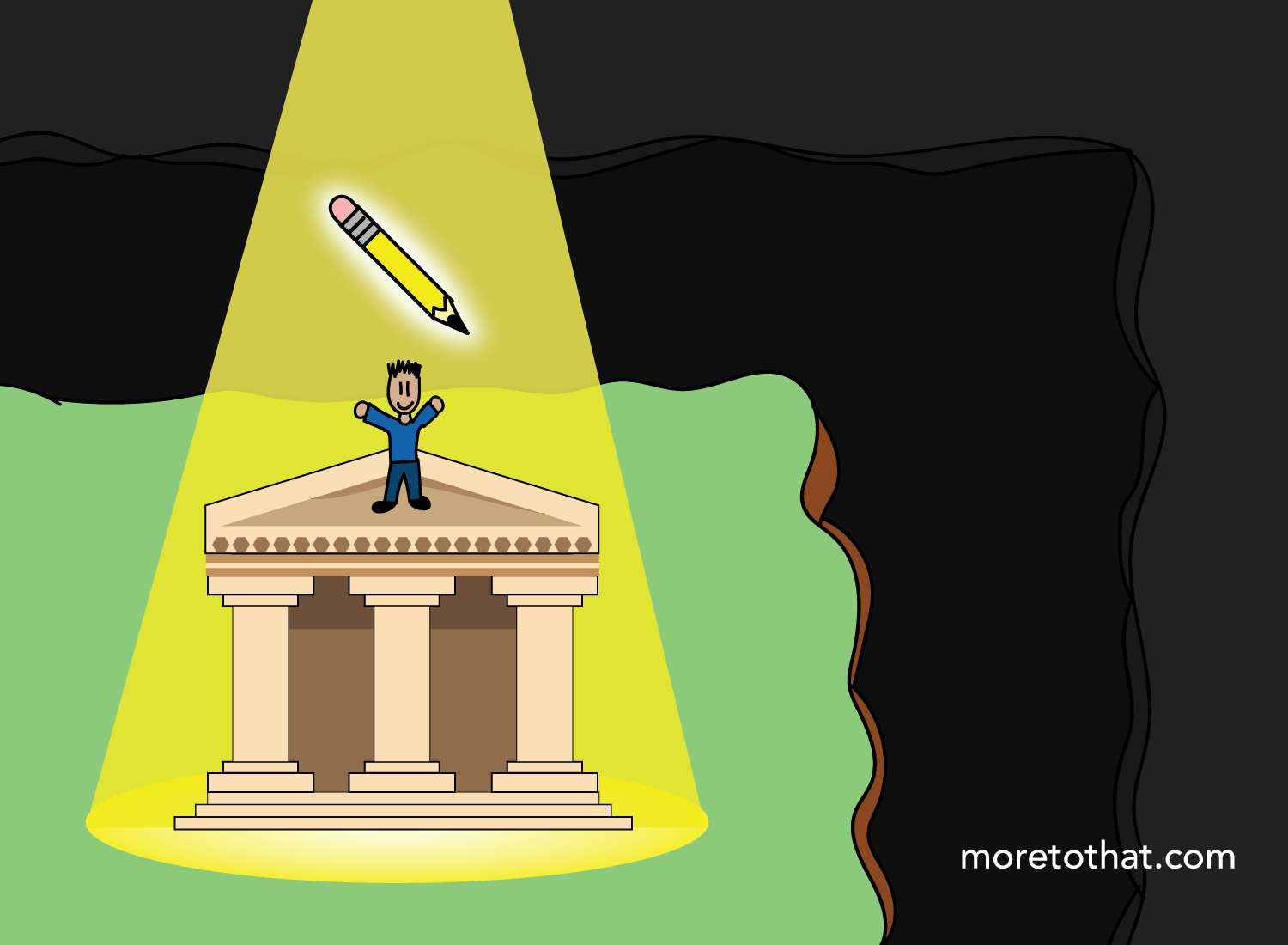
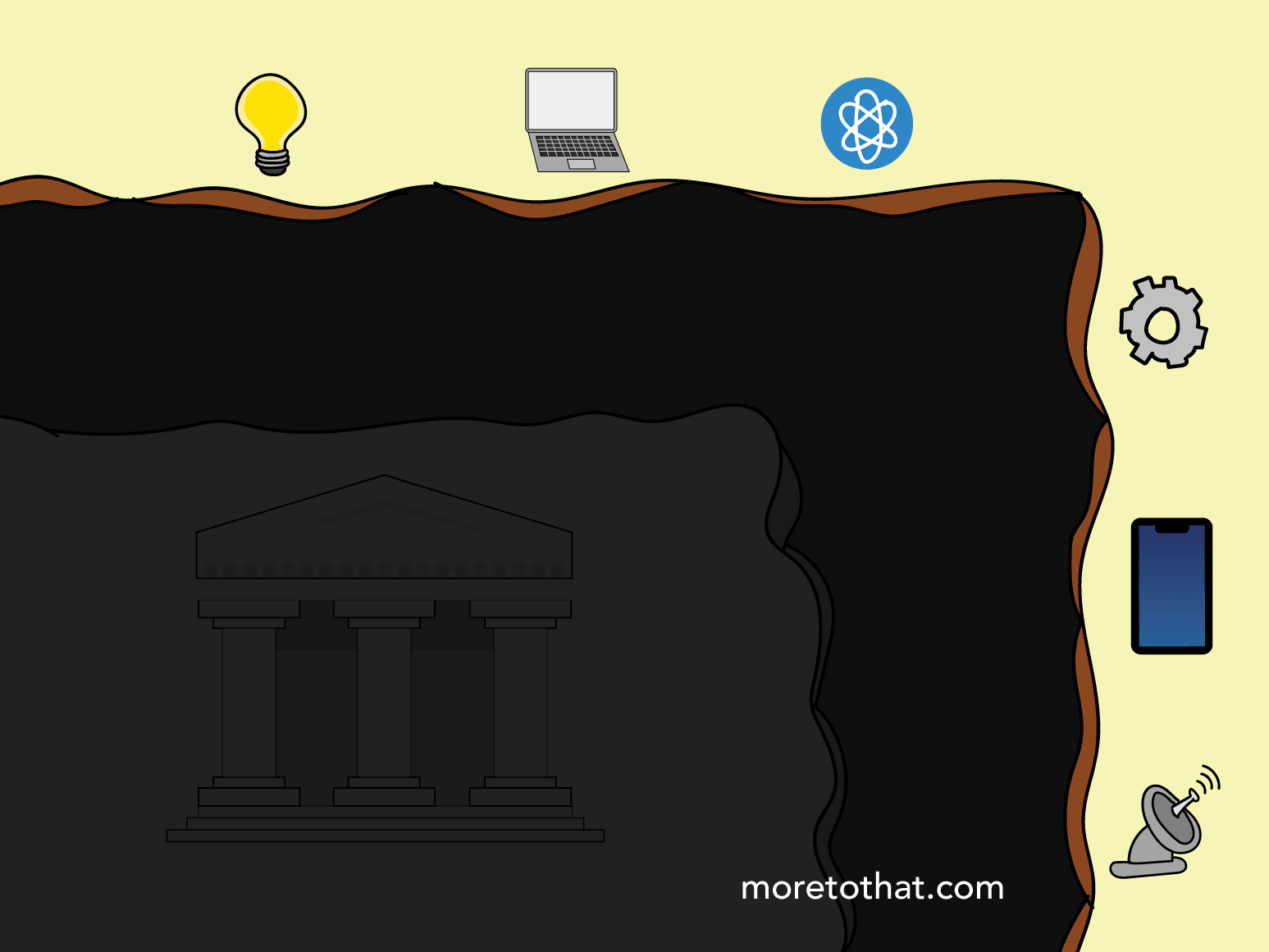
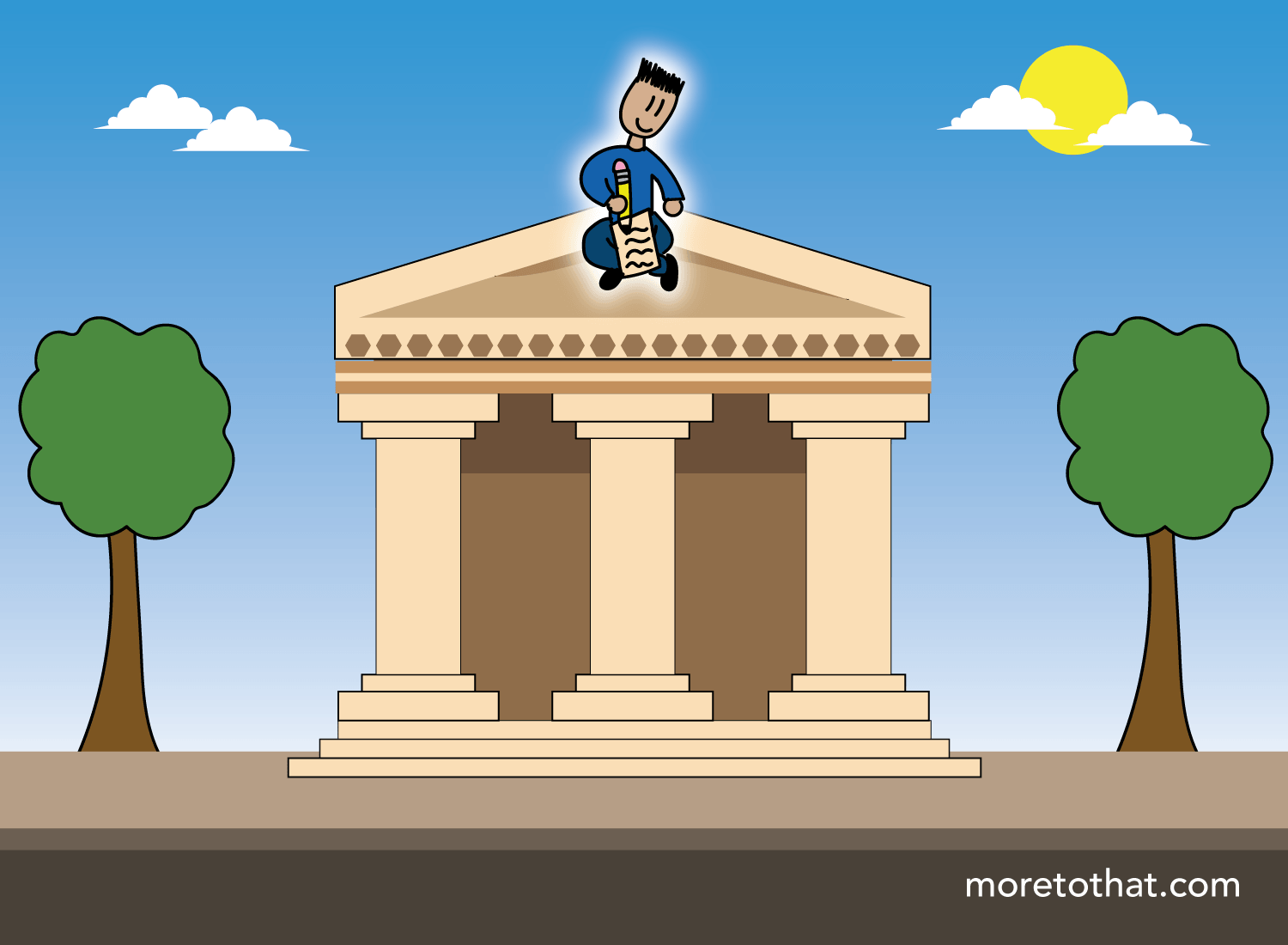
What's wonderful is how personalized each of these tools are for me. They are hyper tailored to what I need for my business, which is only possible because I understand how to articulate my specific problems to an agent, which can then build the exact solution I need. I essentially have a growing toolbox of specialized solutions that not only save me a bunch of time, but a lot of money as well. Speaking of which, I will soon be launching a live program called More To Build (surprisingly, this domain name wasn't taken). In just 3 weeks, you'll build a personalized AI studio that understands your priorities, knows your voice, and protects your time. Seats will be limited, so sign up for the waitlist by clicking here. I've since realized that the greatest skill is to learn how to combine the timeless and the timely. You need to live at the intersection of both in order to ride through whatever the future brings your way. The timeless represents your evergreen interests and curiosities. What will you continue doing, regardless of what technology brings your way? This is what I refer to as the foundation.
In my case, my foundation is writing, philosophy, and storytelling. No matter what happens, I will have a desire to read interesting ideas, open up a blank document, write out my thoughts, and find ways to articulate my perspective with others. This is a foundational part of who I am, and what I aspire to be.
The timely represents the immediate developments that shape your decisions today. What is happening now that will help you stay relevant and prepare you for the future? This is what I refer to as the frontier.
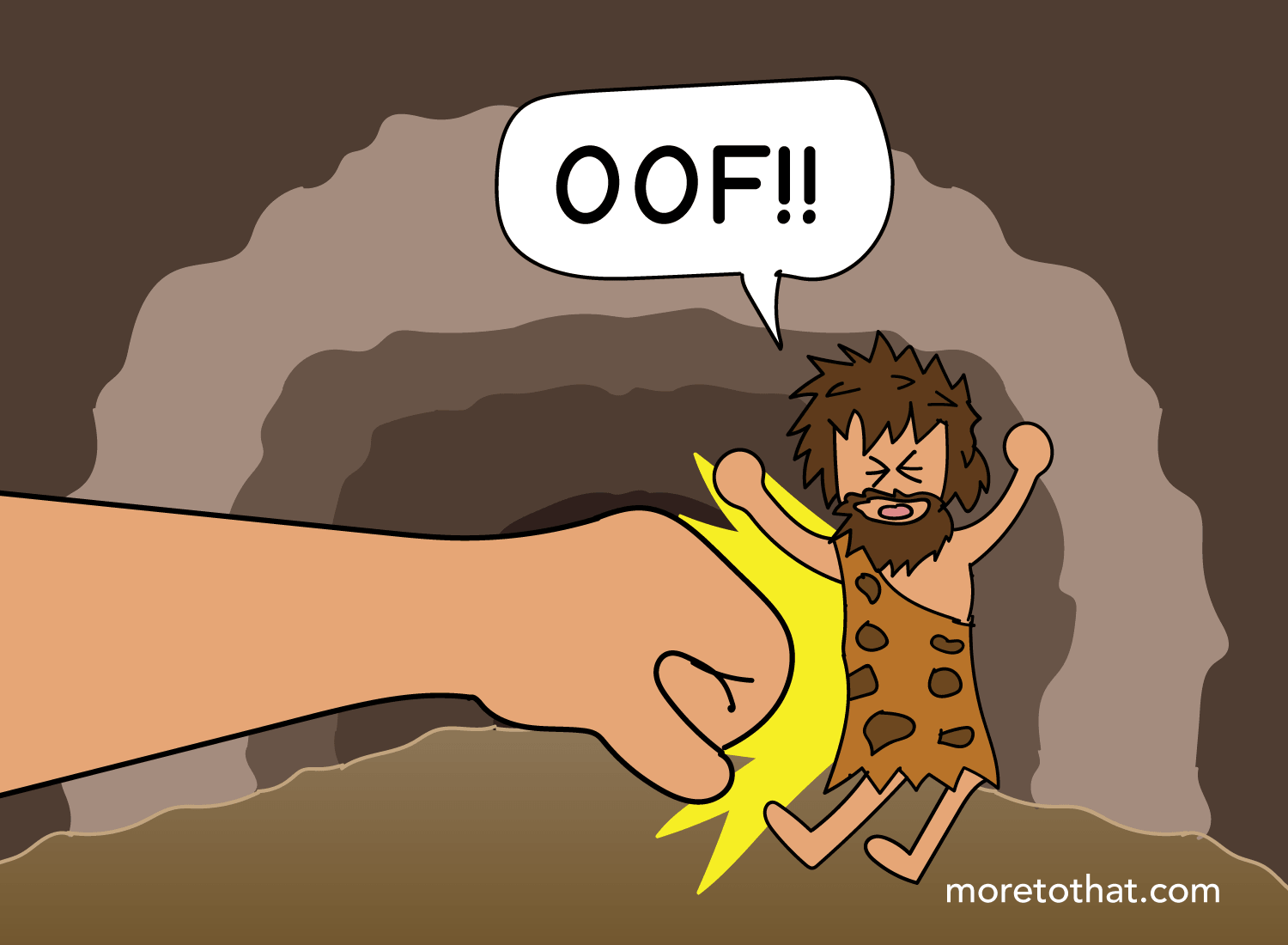
In my case, my frontier is AI and the cascade of changes that are happening across the creative landscape. I have a deep interest in understanding and utilizing AI so that my work can adapt and thrive as these changes occur. Instead of viewing it as an existential threat, I'm using it in creative ways to frame it as an opportunity. One of the mistakes I see people make is when they think they NEED to choose one or the other. They believe that they can only live on either the foundation or the frontier. For example, I see many people that are so entrenched in their thinking that they refuse to get off their foundations. They will call AI an insult to humanity and neglect to understand how it could amplify their creative processes. Instead of engaging with that change, they will deny that this change could produce anything meaningful in the first place. This is the archetype of the "intellectual caveman," or someone that's so attached to the known that they blind themselves to the beauty that uncertainty can yield. They'll shake their fists in the face of change, only to see that change will eventually deliver a fist of its own as it sweeps across the entire landscape.
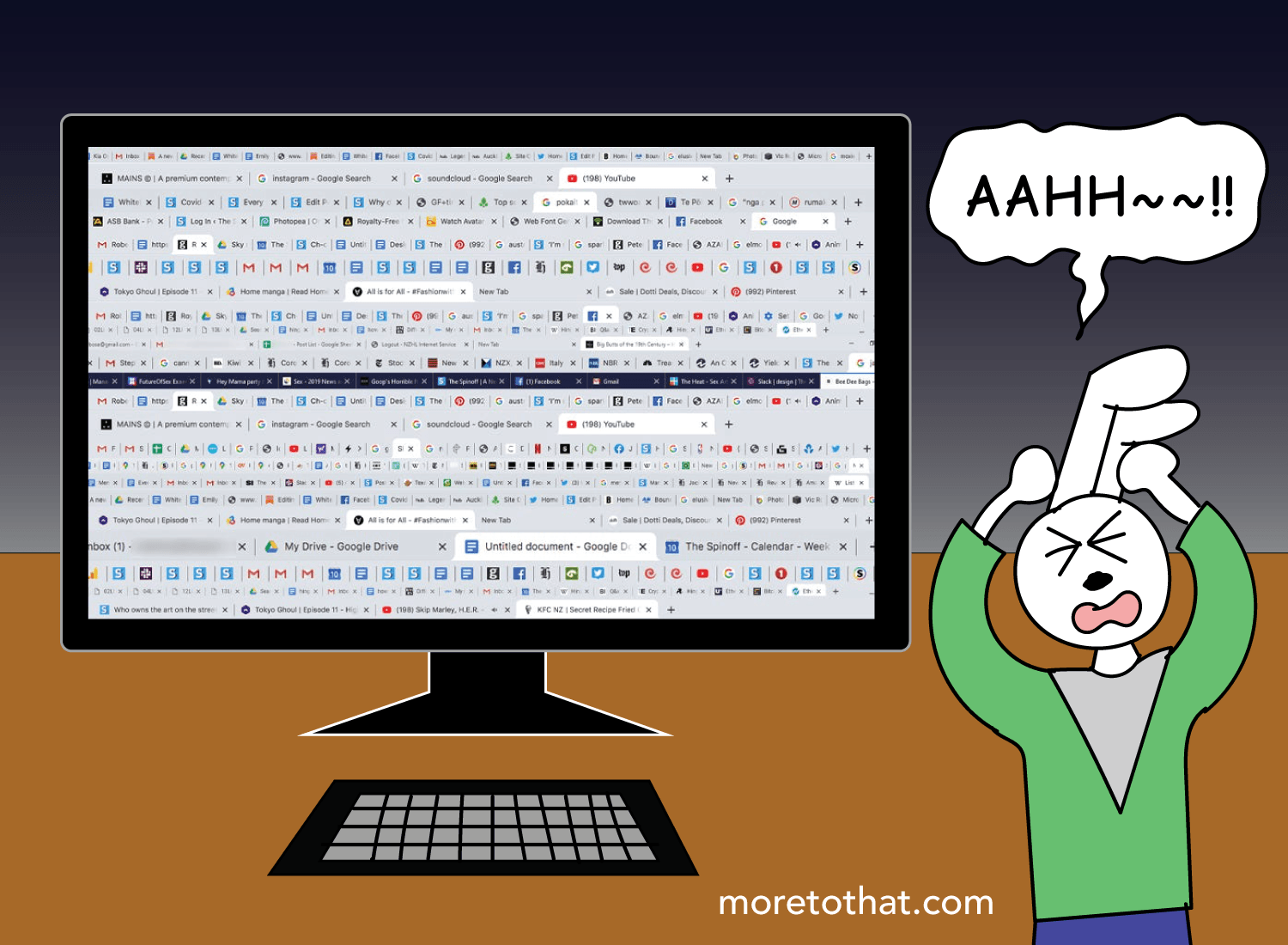
On the other hand, there are people who perpetually live at the edge of the frontier without any foundation to ground them. They spend no time studying the timeless lessons of history or observing their own mind; instead, they're always looking to the future for "the next big thing." They are akin to speculators that live in a whirlwind of anxiety as they try to hop on the latest trend, capitalize on it, and then attempt to do it all over again. This is the archetype of the "terminally online," or someone that's so attached to what's current that they blind themselves to the beauty of the timeless. This is the person that spends their entire day context switching between a ton of AI tools, only to realize that in the end, nothing truly meaningful ever gets done.
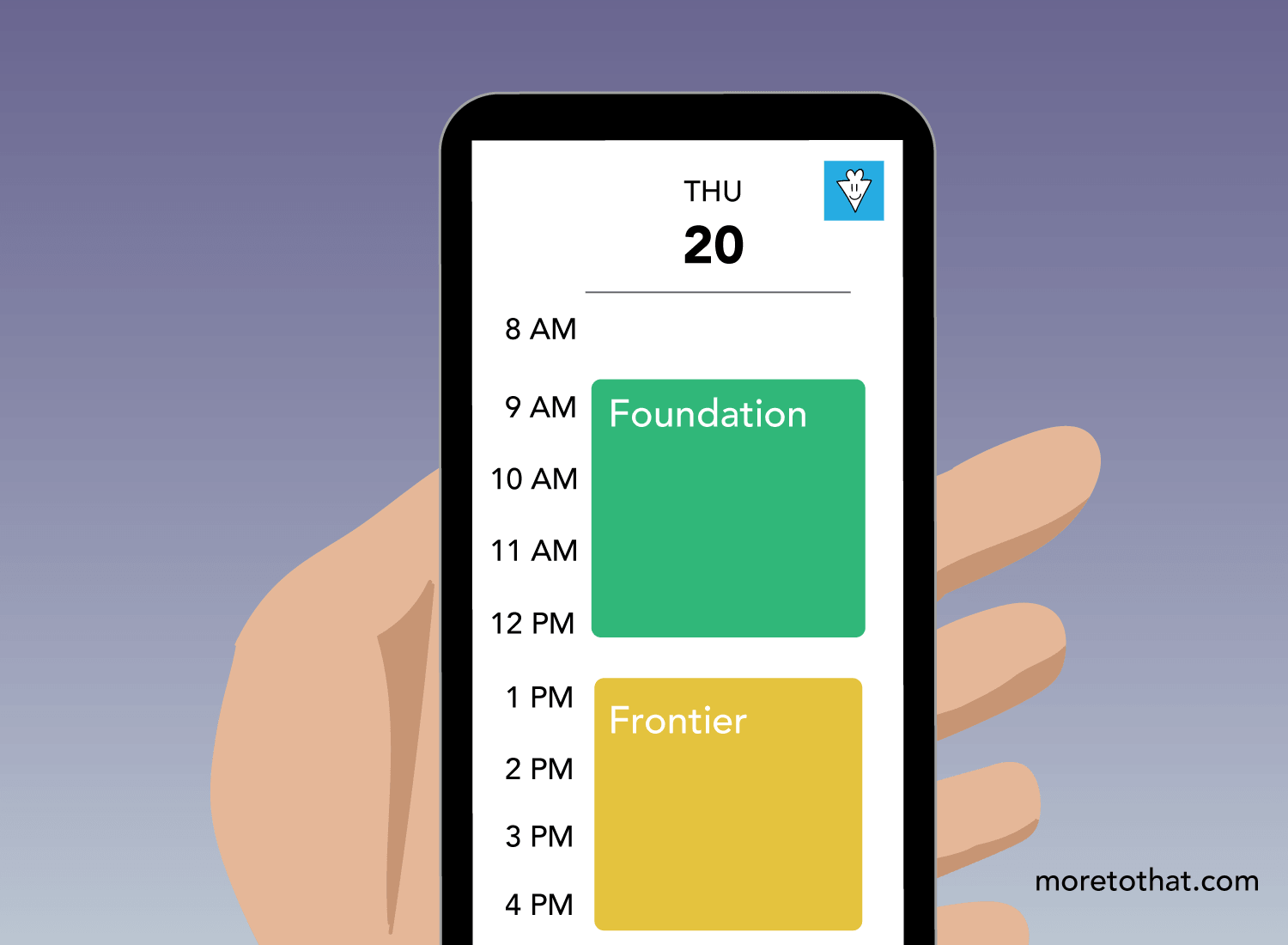
The Daoists popularized the concept of blending contradictory truths through the yin and the yang. It's the idea that extremes aren't meant to be compared; they're meant to be balanced. If we were to import that sentiment into the modern world, that would be through the blend of the foundation and the frontier. The timeless and the timely. In order to live a harmonious life, you must live at the intersection of the two. One practical way I do this is by separating my day into two blocks: one for Foundation activities, and the other for Frontier ones.
My mornings are dedicated to Foundation time, which is insulated from the FOMO-driven spheres of AI and technological progress. My main activity is to write for 2-3 hours each morning using Cold Turkey Writer, which effectively turns my computer into a typewriter for an allotted period of time. I've been using it since 2018 and I can confidently say that it's the most boring piece of software I have. But the unremarkable nature of it is what allows me to focus on the timeless art of writing. Writing is where I do my best thinking, and I have no plans to outsource my voice to AI. I write because I love it, so it makes zero sense to forfeit what I love to an agent with zero capacity to love. Everything I do in the morning is the result of my brain and the experiences it's soaked up over time. Whether it's 2026 or 2036, I see myself writing with the same intention I had in 2016. I write because it clarifies my thinking, which in turn makes me a better human being for those I care about, whether it's my loved ones or my readers. It's an ode to my foundation, which I aim to honor every morning.
But in the afternoon, I open it all up to Frontier time. This is where I jump into the maze of what's current, and attempt to navigate my way through it so I understand all the developments that are shaping today's creative landscape. I'll open up Terminal, build all kinds of quirky projects in Claude Code, automate tasks for my business in my AI Studio, create skills to help with admin work, and mess around with whatever tools grab my attention. Everything I do in the afternoon is about experimenting with what I don't know so I can unlock epiphanies along the way. By dedicating time to explore the frontier, I have a clearer view of what I need to learn to prepare for the future. And given that this can change on any given day, having a few hours each afternoon keeps me informed on what these developments may be. In this era, it's simply not practical to be a technological Luddite. But at the same time, you will fry your brain being a FOMO-driven AI enthusiast who's always looking for the next big thing. You need time to slow down, to return to your timeless foundations, and to then use that restored energy to venture back out onto the frontier. That careful balance is what will allow you to calmly ride the waves of uncertainty. AI has less to do with technical ability and more to do with clarity of thought, and that is what I'm aiming to do with More To Build. My plan is to show you how to use AI in the most human way possible, and you can start by joining the waitlist for the 3-week program I'll be launching soon.
Also, if you represent a business that wants to work in a higher-touch capacity, please fill out this form. I will be taking on a few clients that are looking to integrate AI into their businesses, and are looking for a simple, safe, and clear way to do so. I'm so excited to share More To Build with you. There's a lot more to come, and I feel grateful that I get to share it with you along the way. -Lawrence Yeo P.S. Since it's been 5 months since the last newsletter, I miss hearing from you. How have you been? What are you working on these days, and how are you feeling about it? Are there any insights / personal stories about AI that you'd like to share with me? I read every email, and I'm particularly excited to hear from you this time around. It's been too long! P.P.S. If you want to learn how to write reflections like the one I shared today, check out my writing course, The Examined Writer. It’s 3 hours’ of self-paced material, all designed to elevate your writing practice. |
More To That
Illustrated stories on the human condition.
Hey friends, It’s been a while since I last checked in, and I’m glad to be back =). The sixth cohort of Thinking In Stories just wrapped up last week, and I had such an amazing time. A full cohort of 34 students across 7 countries participated in a 4-week experience together, and I’m reminded yet again of the power of storytelling. Irrespective of where technology or culture is headed, there will always be a desire to share our experiences in the form of stories. Because it’s through these...
Hey friends, Happy lunar new year! I hope you're having a festive week, wherever you are in the world. To celebrate, I have a new post to share today on how writing can change your life =). But first, 2 announcements: (1) Enrollment for my flagship course, Thinking In Stories, is now open. There are many courses out there on writing and content creation, but few on mastering the skill of storytelling. This is interesting because storytelling drives everything. Want to persuade people at work?...
Hey friends, 2026 just started, but so much has already happened. One of the biggest developments has been in AI, where tools like Claude Code and Codex are rapidly changing the landscape of knowledge work. People are seeing how the skills that were once reserved for human minds can be executed in a fraction of the time, at a fraction of the cost. So this begs the question... Is there a creative skill that can still act as a moat for the human mind? Fortunately, the answer is yes, and is...